 PennyPerHour
How much does a coffee machine cost to run?
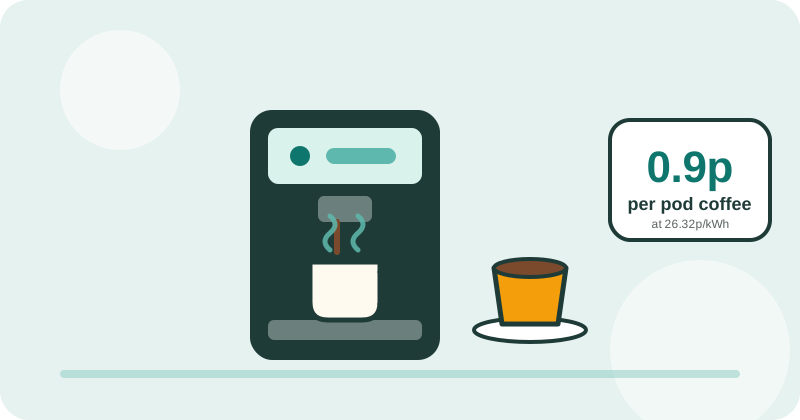
The electricity for a cup of coffee is cheap: usually under 2p for a pod or bean-to-cup machine that you switch on, use and switch off. The real cost comes from machines left on all day keeping water hot, which can add up to more than the coffee itself.
Electricity 26.32p/kWh, gas 7.97p/kWh (Ofgem cap, 1 October to 31 December 2026). Typical figures.
Cost per cup by method
| Method | Typical power | Energy per cup | Cost per cup |
|---|---|---|---|
| Kettle (instant coffee, one mug) | 3,000W | 0.03kWh | 0.8p |
| Pod / capsule machine | 1,200–1,500W | 0.035kWh | 0.9p |
| Bean-to-cup, black coffee | 1,350–1,500W | 0.05kWh | 1.3p |
| Bean-to-cup, milky coffee | 1,350–1,500W | 0.07kWh | 1.8p |
| Filter machine (per cup of a 4-cup pot) | 800–1,000W | 0.025kWh | 0.7p |
| Traditional espresso machine (first cup incl. 15-min warm-up) | 1,000–1,500W | 0.2kWh | 5.3p |
Our estimates, assuming the machine is switched on, used and switched off. Electricity at 26.32p/kWh.
The hidden cost: keeping it hot
Most of the energy a coffee machine uses goes on keeping water or a boiler hot between drinks, not on brewing. A machine idling at around 50W for 8 hours a day uses 0.4kWh, about 11p a day or £38.43 a year, on top of the cups themselves. Filter machines with a hotplate do the same thing: keeping a jug warm at around 70W for an hour adds about 1.8p.
- Use auto-off. Set it to the shortest time you're comfortable with, such as 15–30 minutes.
- Choose a thermal jug rather than a hotplate for filter coffee.
- Only heat what you need if you're using a kettle: one mug, not a full kettle.
- Descale regularly. Limescale makes the heater work harder, especially in hard-water areas.
Running cost vs the cost of the coffee
Electricity is a small part of the cost of a cup. Pods often cost 25–50p each, while beans for a bean-to-cup machine typically work out at 15–30p a cup. If you drink two cups a day, the type of coffee you buy will usually matter more than the machine's electricity, unless the machine is left on all day.
What to look for
- Adjustable auto-off and an eco or standby mode.
- Fast heat-up (thermoblock or "thermocoil" heaters), which avoids long warm-ups.
- Milk system you'll clean. Automatic milk frothers are convenient but use extra energy for rinsing.
Work out the cost for your coffee machine
Change the wattage or hours to match yours.
Default price is the Ofgem cap for 1 October to 31 December 2026. Check your bill for your exact unit rate. Figures exclude standing charges.
What to buy: our picks by need
We recommend types of product based on running costs and features, not specific brands we have tested.
A pod or bean-to-cup machine with adjustable auto-off and a fast thermoblock heater.
See options on Amazon →A filter machine with a thermal jug instead of a hotplate, which keeps coffee hot without electricity.
See options on Amazon →A bean-to-cup machine with an automatic milk frother and a self-cleaning milk system.
See options on Amazon →Shopping for one? Compare current models, prices and wattages before you buy.
Browse coffee machines on Amazon →Affiliate link: we may earn a small commission at no extra cost to you.
Thanks for letting us know.
Frequently asked questions
How much does a cup of coffee from a machine cost in electricity?
Usually 1 to 2p for a pod or bean-to-cup machine that is switched off after use, at 26.32p/kWh.
Is it cheaper to leave a coffee machine on?
No. Keeping a machine hot all day can use more electricity than brewing. Use the auto-off setting.
Are pod machines cheaper to run than bean-to-cup?
In electricity they are very similar. The bigger difference is the cost of pods versus beans.